Management
ISO 9001
Quality management system covering compounding, packing and dispatch. Held by our production site.
A masterbatch is easy to sell once. The COA is what keeps the account for five years.
Quality management system covering compounding, packing and dispatch. Held by our production site.
SVHC and RoHS declarations issued per grade on request — not a blanket certificate on a wall.
Environmental management system across compounding and packing. Held by our production site.
V-0 at 1.6 mm for the halogen-free PP system — a typical result, confirmed on a trial lot before you set the specification.
Degradability and compostability are claimed grade by grade, against the standard you actually need. We do not print a badge before the report exists.
Batch COA with every pallet; TDS and SDS before you order.
The gates decide whether a pallet leaves. The in-run check decides whether the batch stays on specification while it is still being made.
Additive identity by FTIR, carrier MFI, moisture.
Microtome film under microscope, filter pressure value.
Dose by ash content, pellet size distribution, fines.
COA issued, retained sample kept 24 months.
Every three to four hours during a run, a sample is pulled from the running line and compared against your sealed reference — appearance, dispersion, pellet form and the key functional value. If a value drifts, the run is corrected while the line is still running; nothing is sorted out afterwards. This is why a pallet taken from the sixth month behaves like the sample you approved in the first.
Test reports are issued per grade and sent with the quotation. ISO, REACH and RoHS documents are available on request. A test report is not a product certification, and we will not present one as the other.
Four of the instruments behind the COA. A routine lot is not sent out for these — the point of testing is to catch a drift while the run can still be corrected.
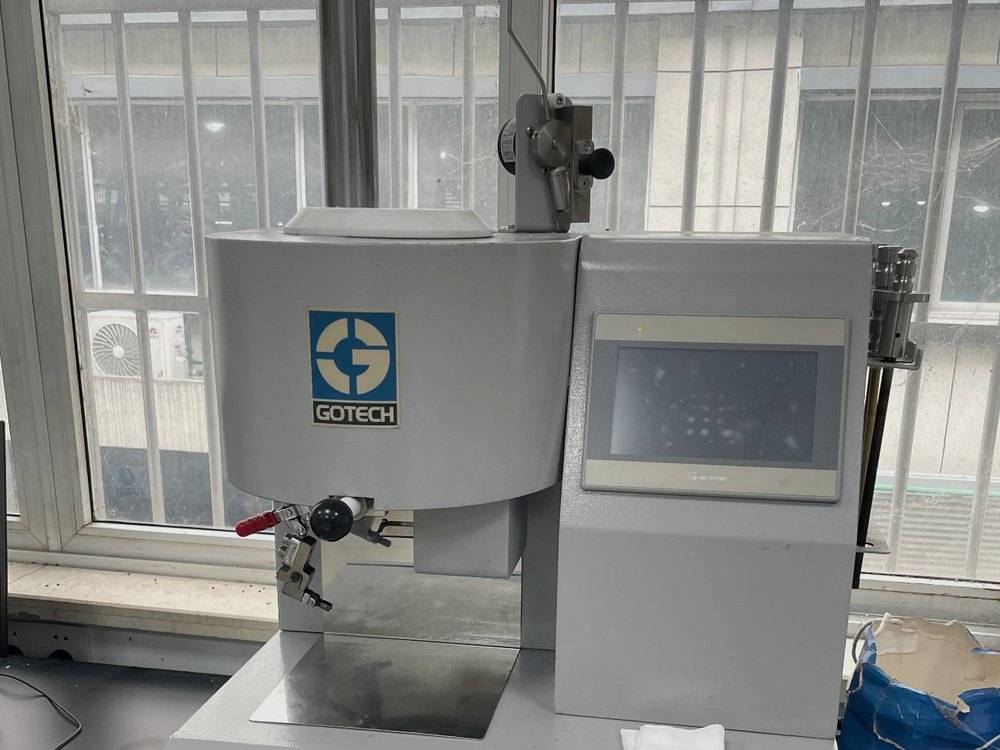
A carrier change shows up here before it shows up in your film. Measured on incoming resin and again on the finished pellet.
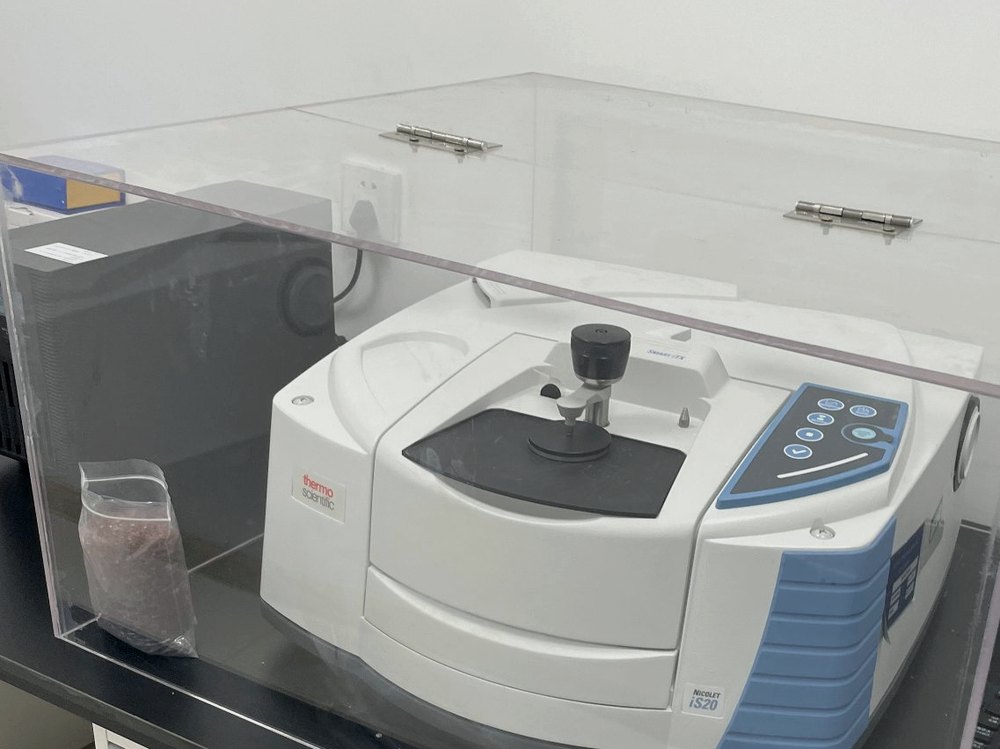
Slip and antiblock both move haze. The dose is set against a measured number, not a feel test on a sample bag.
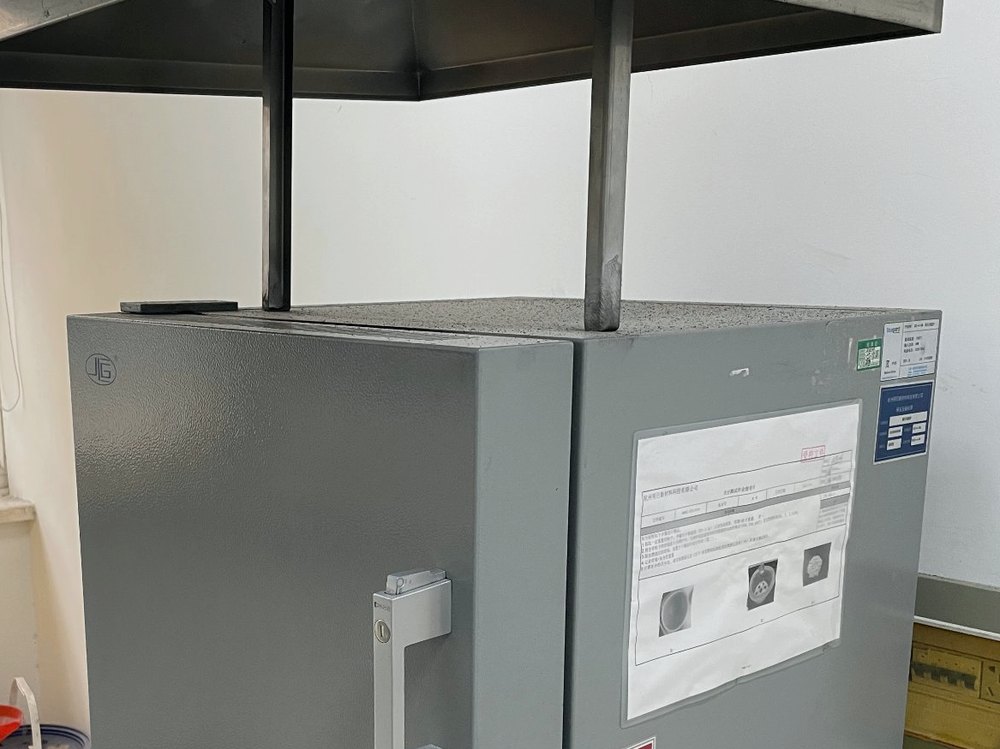
Burn off the polymer, weigh what is left. That is how the active content printed on the COA is actually determined.
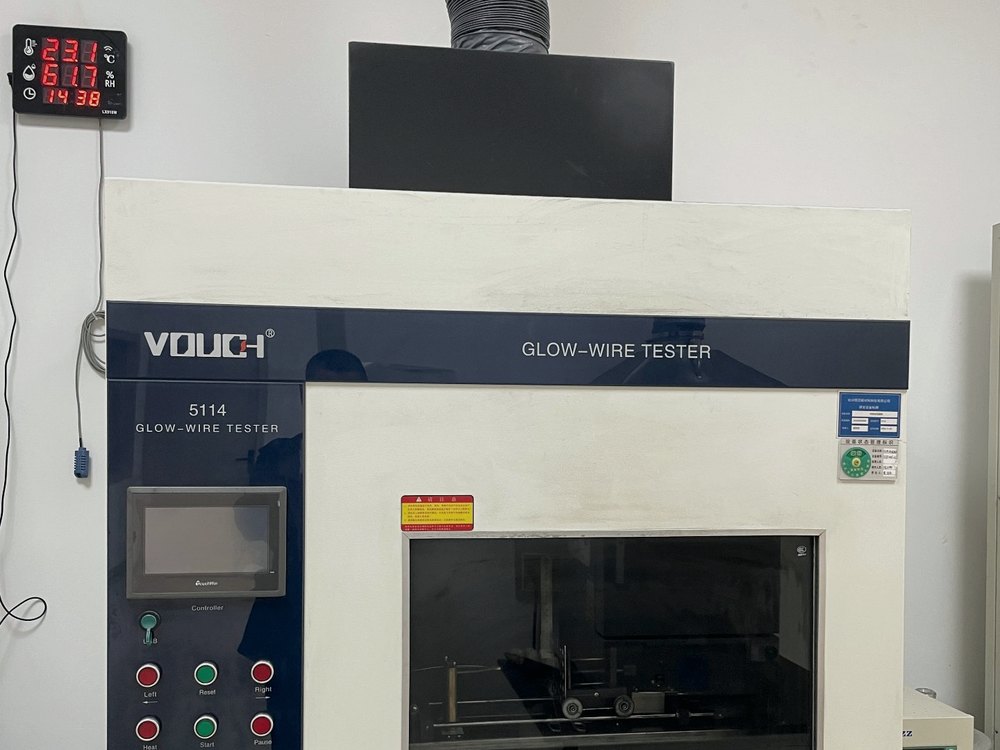
For parts in electrical assemblies — switches, housings, terminal blocks. Run on your wall thickness, because that is what the result depends on.
Photographed in our production laboratory. Which tests run on a given grade is confirmed with the quotation.
Every figure shown — loading rate, active content, surface resistance, service life, lead time, transit time — is a typical value for the standard grade, published so you can shortlist. None of it is a specification, an offer, or part of any contract.
The specification that binds us is the one confirmed in writing on your order, and where a sample has been approved for that order, the approved sample governs. If a delivered batch falls outside it, the claim is with us. That is the part we do not disclaim.
No warranty of fitness for a particular purpose is given or implied. The result in your plant depends on your resin, your line and your process settings — which is what the 1 kg sample is for, and why we ask you to run it before you commit to a production parameter. Figures are current at the date of publication and may be revised without notice; the version attached to your order is the one that applies.
Tell us the resin, the process and the target performance. You get a grade recommendation, a landed cost to your port and a sample plan.